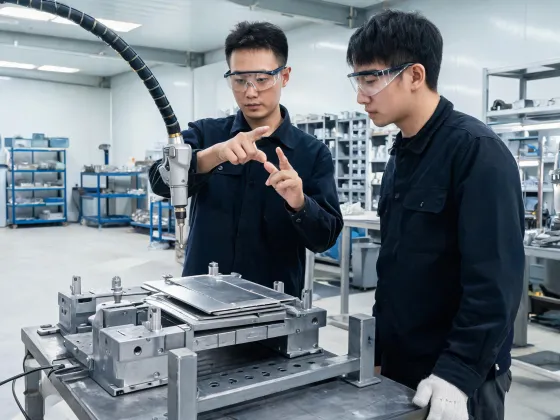
Application story
Efficiency starts before the first sheet is loaded
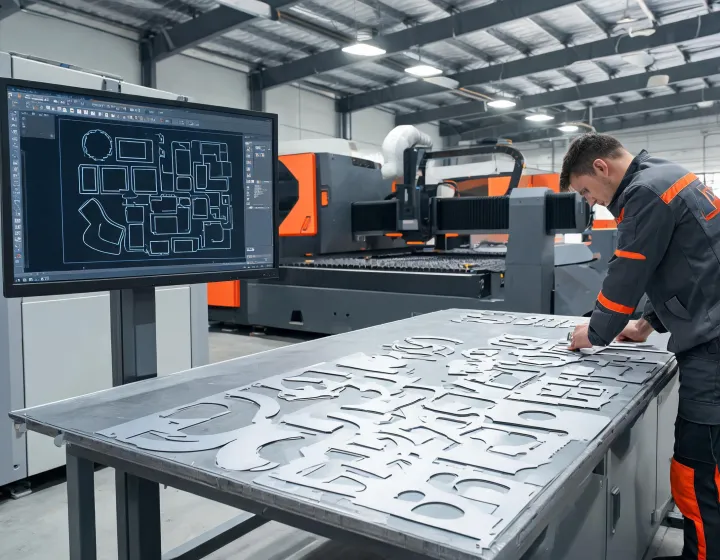
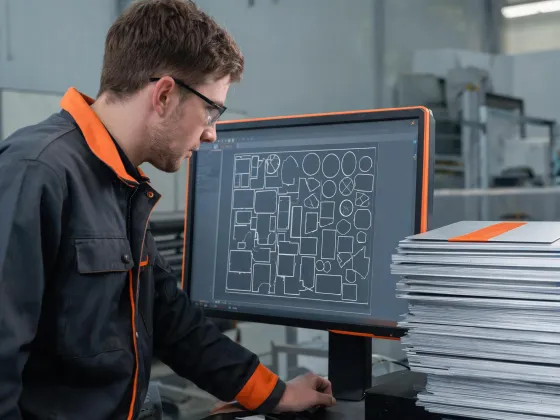
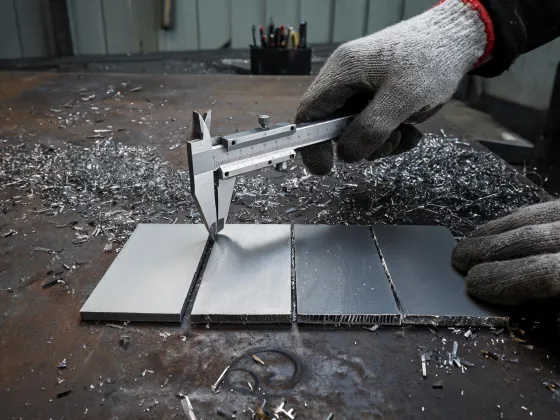
A factory often loses time before the machine even begins cutting: drawings are not checked, material thickness varies, gas supply is not planned, and operators inherit settings that were never explained. Bodor application support treats those problems as part of the laser project. The goal is to make production smoother by improving the choices around the machine.
For sheet metal teams, this may mean reviewing nest density, pierce strategy, part removal, and micro-joint habits. For welding teams, it may mean looking at fit-up, bead appearance, safety distance, and finishing time. For mixed-material shops, it may mean choosing where fiber and CO2 laser capabilities belong in the same business without confusing operators.
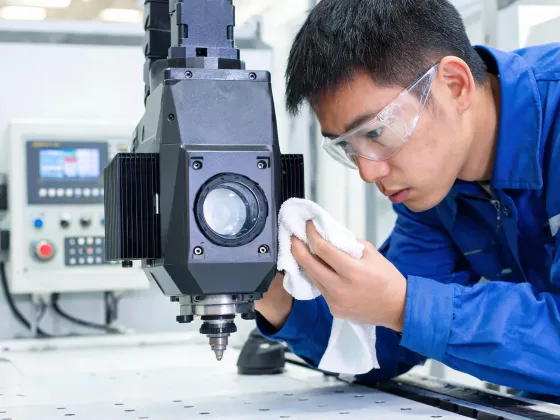
The result is a more responsible workflow: less trial cutting, fewer avoidable consumable changes, better use of trained labor, and clearer documentation when a process is adjusted. That is the application value behind Bodor's practical approach.