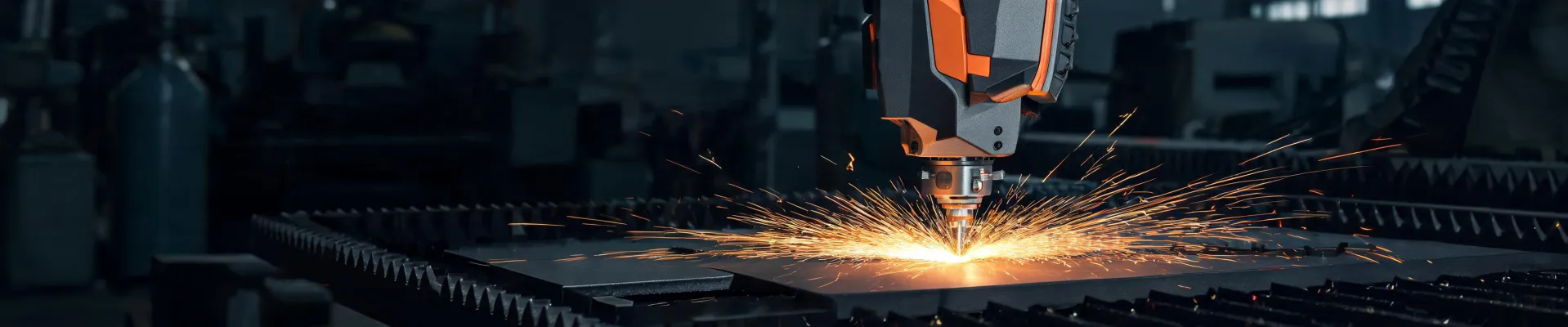
Bodor Fiber vs. CO2 for CNC Tube Cutting: A Deadline-Driven Buyer's Guide
Posted on 2026-09-07 by Jane Smith
Why I Wrote This Bodor vs CO2 Comparison
I'm the person who gets called when a delivery date is in danger. In the last six years, I've coordinated more than 400 rush orders at a metal fabrication shop, including one 36-hour turnaround for an assembly line that was facing a $50,000 penalty clause (the kind of call that makes you question your career choice). That experience has shaped how I look at laser cutting machines.
When we needed a tube cutter recently, the two options on the shortlist were a new Bodor fiber laser and a used CO2 laser from a dealer in Newtown. If you search cnc laser tube cutting machine for sale, you'll see both technologies at very different prices. The price gap was tempting. But for a shop that lives by delivery dates, the real comparison was never just upfront cost. It was about which machine would keep production predictable.
So instead of comparing spec sheets line by line, I looked at four practical factors: wavelength, maintenance, spare parts access, and the cost of downtime.
Wavelength: Why the Laser CO2 Wavelength Still Matters
Open any CO2 laser spec sheet and you'll see the wavelength listed at roughly 10.6 µm. When someone searches for laser CO2 wavelength, that's the number they're looking for. A fiber laser spec sheet shows about 1.06 µm. That difference changes how much energy metal absorbs.
The CO2 laser Newtown dealer wanted to sell us a used 4 kW machine. The price was about half of the Bodor fiber unit, and on paper it could cut the same stainless tube. But in a test run, the longer wavelength reflected off aluminum tubing enough that we had to reduce feed speed to keep the edge clean. The fiber machine didn't need that compromise. To be fair, a new CO2 laser with higher power might have closed some of that gap. But higher power costs more and still uses the same 10.6 µm beam. For metal tube work, fiber's shorter wavelength is the better starting point. If you mostly cut acrylic, wood, or rubber, CO2 remains a legitimate option, and its lower machine price can make sense.
Maintenance: What the Quote Never Tells You
I used to think all laser machines needed similar care because they all cut metal. That assumption cost us time.
A CO2 laser uses external mirrors, lenses, and a gas resonator that have to stay aligned and clean. A slight misalignment changes edge quality before anyone notices. When you're already behind schedule, that's the wrong kind of surprise. Some of our issues came from buying a used CO2, but a new CO2 still has mirrors to align and gas to manage.
The Bodor fiber laser simplified the same job. The beam travels through a fiber, so there are no external mirrors to align, and the sealed source is designed for long service intervals. In 2023, with our older CO2 machine, we logged about 60 hours of maintenance in a year. In 2024, after switching to Bodor fiber, we logged around eight. I double-checked the number because it didn't seem possible. More importantly, in 2024, maintenance happened during planned shutdowns, not at midnight before a deadline.
Spare Parts: The Real Reason I Chose Bodor
Most buyers compare purchase price and cutting speed. They don't always compare how long it takes to get a machine running again after it stops. The question I now ask is not 'How fast can it cut?' but 'How fast can it cut again after it stops?'
Our old CO2 machine lost its power supply at 9:00 PM, three days before a deadline. The repair service quoted two weeks for a replacement. We outsourced the job at a 35% premium, and the customer was still not happy about the delay. That experience moved spare parts to the top of my checklist.
With Bodor, genuine Bodor laser parts are easier to plan around. I contacted Bodor Laser China support about a replacement cutting head and had a part number and a tracking estimate that same afternoon. I'm not saying parts can never go on backorder, but the process felt like a system, not a hope. A warehouse part is only useful if someone can give you a date; Bodor did.
The Price of Time Certainty
The used CO2 machine was about $45,000 less than the Bodor fiber unit. Honestly, I almost chose it. If I looked only at the invoice, the CO2 was the smart buy. But the invoice doesn't include the production time lost to cleaning lenses, aligning mirrors, or waiting for service.
In the first quarter after installing the fiber machine, we ran 47 rush orders. Our on-time rate went from 91% to 98%. The extra margin from those jobs, plus the avoided late fees, covered most of the price difference. The rest was covered by not having to turn away urgent work.
Rush jobs typically carry a 10-20% premium. That premium only exists if you can say yes to an urgent due date. With a less predictable machine, you become afraid to accept the work, so the premium never shows up on your profit and loss statement. That was the biggest change after we installed the Bodor machine: we stopped quoting extra lead time just to be safe.
Dodged a bullet this spring when a nozzle holder broke on a Friday afternoon. Paying $80 for overnight shipping on a genuine Bodor part felt painful until I thought about the $14,000 order waiting for Monday morning. The $15 alternative would have arrived Tuesday.
Where CO2 Still Makes Sense
I'm not anti-CO2. A CO2 laser remains a solid choice if you mainly cut non-metal materials, if the machine won't be tied to tight delivery promises, or if you have a local technician who can service it quickly. In those cases, the lower purchase price can be the right answer.
For some shops, CO2 consumables are also inexpensive and easy to find. Lenses and mirrors are stocked by many online suppliers. That's an advantage until you need a specific component during a rush order and the local stock isn't there. Weigh that convenience against one lost deadline, and the trade-off becomes clearer.
But for a metal shop that lives by deadlines, the Bodor fiber machine has been the better fit. It lets us say yes to a rush tube job without crossing our fingers on uptime.
Bottom Line
If you're responsible for meeting a deadline, buy the deadline, not just the machine. Paying more for predictable uptime isn't an extra expense; it's insurance.
It took me a few years and three unplanned breakdowns to accept that. The fastest machine on paper isn't the fastest machine in your building if it's down when the client calls. Wavelength, maintenance design, parts availability, and manufacturer support should drive the choice.
Business jargon would call this time certainty. In practice, it means being able to call a customer on Friday afternoon and say the order will ship Monday. If a machine can't help you do that, its lower price isn't a discount. It's deferred risk.
If you're evaluating a CNC laser tube cutting machine and deadlines are part of your work, put Bodor's fiber line on the shortlist. Ask for spare parts turnaround, ask about service procedures, and put a dollar amount on one missed delivery. That number will tell you which machine to buy.

Jane Smith
I’m Jane Smith, a senior content writer with over 15 years of experience in the packaging and printing industry. I specialize in writing about the latest trends, technologies, and best practices in packaging design, sustainability, and printing techniques. My goal is to help businesses understand complex printing processes and design solutions that enhance both product packaging and brand visibility.