From a “CO2 Laser in Nocatee” Search to a 12 kW Bodor Fiber Laser: A Buyer’s Honest Take
Posted on 2026-09-04 by Jane Smith
The Request That Almost Went Down the Wrong Path
I'm an office administrator for a 60-person manufacturing facility near Nocatee. That title might sound odd for someone writing about laser cutting equipment, but it's exactly why this story is worth telling. When operations asked me to “find a CO2 laser in Nocatee,” I didn't arrive with a favorite technology. I just wanted to buy the right machine without wasting company money—or looking foolish to the VP.
The search phrase seemed simple at first. CO2 laser Nocatee brought up engraving shops, sign makers, and a few industrial suppliers. Our production manager had used a CO2 laser at a previous job, so that's the wording he used. In his mind, he was asking for a sheet metal cutting laser. I didn't know that at the time.
So I started comparing laser cutters. CO2. Fiber. And then I ran into the phrase hybrid CO2 laser, which honestly made things worse. I'll get to that in a minute.
Why the CO2 Playbook Is Hard to Let Go Of
There's a reason CO2 lasers dominated fabrication for decades. They were the reliable option for cutting thick steel and a whole range of non-metals. If you were trained on a CO2 machine—and a lot of good operators were—it's natural to ask for a CO2 machine when you start looking for a new one.
But that's a legacy assumption, not a technical recommendation. The first serious conversation we had with a local fiber laser supplier changed my thinking. Fiber lasers don't need mirrors, beam delivery optics, laser gas recirculation, or the same kind of optical maintenance. They also cut thin and medium carbon steel faster than most CO2 machines we were quoted on.
Does that mean CO2 is useless? No. For cutting acrylic, wood, and certain plastics, CO2 is still a proven option. But our shop runs pre-dominantly steel and aluminum. Once I looked past the familiar name, the CO2 route started looking like a solution to a problem we didn't have.
The Hybrid CO2 Confusion Is Real
I typed hybrid CO2 laser into a search engine expecting a clear definition. I didn't get one. Some suppliers used the term to mean a machine with both CO2 and fiber laser sources. Others used it to describe a CO2 laser with a hybrid drive system. One seller said “hybrid” meant it could cut both metal and non-metal.
At that point, I wasn't annoyed by the need to filter information. That's my job. I was annoyed because a buyer who isn't paying attention could easily buy a machine based on a keyword rather than an actual production need. In my opinion, that's the deeper problem hiding behind many laser purchasing searches.
What a Wrong Choice Would Have Cost Us
Let's talk about mistakes, because that's where I earn my salary. When I took over purchasing in 2020, I got burned on an unrelated equipment purchase because I skipped a reference check and ignored a colleague's advice. They told me to verify that the machine could hold tolerance on our specific material. I didn't. It couldn't. That mistake cost us $2,400 in freight and restocking fees, plus a month of delays.
From the outside, it looked like a vendor issue. The reality was that I hadn't verified the machine's duty cycle against our production schedule. I only believed the old advice about verification after I ignored it and paid the price. So when the laser decision came up, I forced myself to think about the consequences of choosing the wrong system:
- A machine that's too slow becomes a bottleneck we can't explain to customers.
- A machine with high maintenance costs quietly eats margin on every job.
- A machine without local support could sit idle for weeks because a part needs to ship from overseas.
That last point was the one that kept me up at night. I have mixed feelings about buying industrial equipment from a foreign manufacturer. On one hand, the value proposition is strong. On the other hand, what happens when the laser stops working on a Tuesday morning? That uncertainty is why I thought we might end up paying a premium for a domestic brand.
Why We Ended Up With Bodor
The turning point was a conversation with a regional service rep from Bodor Laser Inc. It wasn't the sales pitch that convinced me. It was that the rep asked about our materials, our numbers, and our maintenance capabilities before talking about a machine. That's rare enough that I noticed.
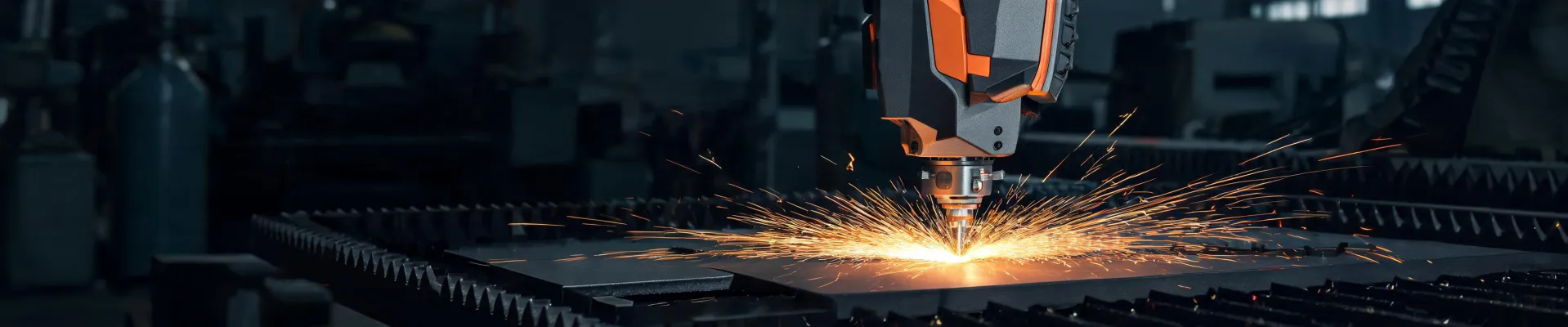
We ran a few test cuts on the thicknesses we process daily, which included 16 gauge mild steel and 1/4 inch plate. The Bodor 12 kW laser handled both comfortably. The 12 kW rating wasn't just boasting—it translated into clean edges at the speeds we actually need. The machine was large enough that we had to rework the floor layout, but that was a planning issue, not a technical one.
Per FTC advertising guidance, performance claims need to be substantiated. For a purchasing mindset, that means asking for cut charts, quoting material thicknesses, and demanding a test piece before signing. It doesn't have to be dramatic. It's just the difference between buying a marketing story and buying a tool.
When the Bodor rep came back to our shop, he also brought a mobile fiber laser cleaner. I didn't plan on writing about that because it wasn't in the original request, but it ended up solving a separate problem. Our maintenance crew spends hours grinding rust off structural steel before repainting. The fiber laser cleaner removed that rust far more quickly and with less dust than our angle grinders. We added it to the order after a 20-minute demo.
What About the Request for a CO2 Machine?
If you're wondering whether we actually bought the CO2 machine we asked for, the answer is no. We bought a different tool for the same outcome: reliable sheet metal cutting. The phrase “CO2 laser in Nocatee” was a search term, not a specification. Once production saw what a fiber laser could do, no one argued for the CO2 route.
And if you're considering a hybrid CO2 machine, I'd encourage you to ask the supplier what exact meaning they attach to that word. If they can't explain it in plain terms, that's a red flag. There's nothing inherently wrong with alternative laser technologies, but a buyer shouldn't need a translator to understand the equipment being ordered.
The Part Nobody Tells You About Buying a Laser
The hardest part of this purchase wasn't comparing kW ratings or negotiating price. It was admitting that our own internal language was standing in the way. We asked for an old technology because it was familiar. If I had strictly followed the CO2 search results, we would have missed the more efficient option entirely.
At least, that's been my experience as an admin buyer. I'm not a laser engineer. I'm the person who signs the paperwork, tracks the invoice, and makes sure the vendor is set up in our system. But being an outsider gave me permission to ask dumb questions until the decision made sense from a business standpoint.
Bodor probably isn't the right answer for every shop in Florida. It was the right answer for us because of the support plan, the test cutting process, and the flexibility to handle both cutting and cleaning. But you won't know that from a spec sheet alone. You'll only know it after you've verified the machine against your real work.
That verification habit might save you. It definitely saved us—and I no longer trust a familiar machine category just because someone in the building said its name first.

Jane Smith
I’m Jane Smith, a senior content writer with over 15 years of experience in the packaging and printing industry. I specialize in writing about the latest trends, technologies, and best practices in packaging design, sustainability, and printing techniques. My goal is to help businesses understand complex printing processes and design solutions that enhance both product packaging and brand visibility.